Home
/ Garlic Cloves To Powder, Cloves To Minced Garlic Conversion The Typical Mom, If you're cooking with a recipe calls for a clove of garlic, but you don't have fresh garlic, you can use 1/8 of a teaspoon of garlic powder as a substitute.
Garlic Cloves To Powder, Cloves To Minced Garlic Conversion The Typical Mom, If you're cooking with a recipe calls for a clove of garlic, but you don't have fresh garlic, you can use 1/8 of a teaspoon of garlic powder as a substitute.
Garlic Cloves To Powder, Cloves To Minced Garlic Conversion The Typical Mom, If you're cooking with a recipe calls for a clove of garlic, but you don't have fresh garlic, you can use 1/8 of a teaspoon of garlic powder as a substitute.. Garlic powder is essential in my cooking. For substituting each clove of the herb, you'll need 1/3 teaspoon of the powder. 1 clove equals 1/3 teaspoon of garlic powder if you have granulated garlic instead of garlic powder, the recommended ratio is 1/2 teaspoon of granules for every fresh clove. 5 cloves of garlic to teaspoons will be approximately 5/8 of a teaspoon of garlic powder. Then grind the garlic into a fine powder.
For a smaller batch of garlic powder, use one head of garlic. The good thing about using granules or powders instead is that it can be stored for longer periods comparatively. One may also ask, is garlic powder and garlic cloves the same? Place them in a food dehydrator in a single layer. When heat is involved, you need.
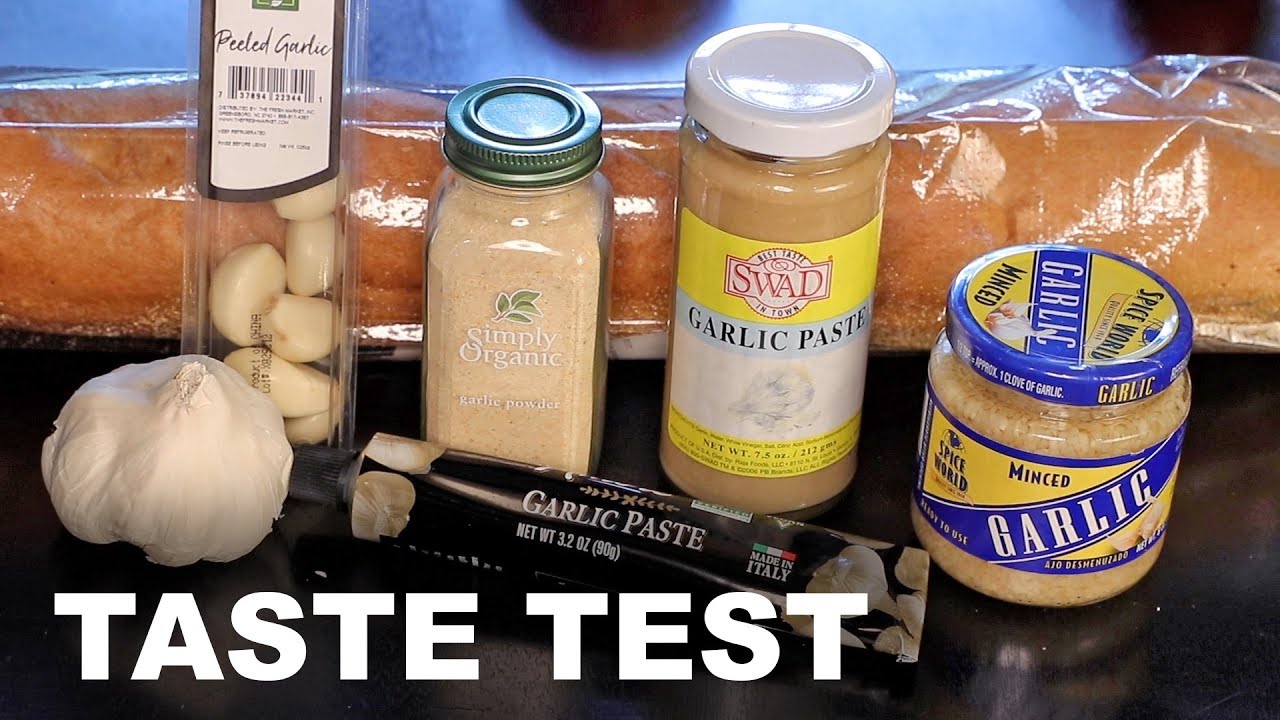
Fresh Garlic Vs Prepared Garlic Can You Taste The Difference Youtube from i.ytimg.com For garlic cloves to powder, use an eighth of a teaspoon of garlic powder substituted for each garlic clove for which the recipe calls. To substitute powdered garlic for minced garlic, the conversion is that half a teaspoon of jarred minced garlic is the equivalent of an eight teaspoon of garlic powder; Secure the cheesecloth to the jar with a rubber band so. In a substitute of dehydrated garlic for fresh garlic cloves, the following tip is a proper measurement : When using garlic powder, it. Fresh cloves, the loss of both calories and nutrients is significant. Therefore, three teaspoons of minced garlic are equal to ¾ of a teaspoon of garlic powder. For a smaller batch of garlic powder, use one head of garlic.
For substituting each clove of the herb, you'll need 1/3 teaspoon of the powder.
1 clove equals 1/3 teaspoon of garlic powder if you have granulated garlic instead of garlic powder, the recommended ratio is 1/2 teaspoon of granules for every fresh clove. It is smooth, light yellow, has the characteristic aroma of garlic, and does not contain preservatives or additives. Place the garlic on a cookie sheet and heat at 150 f. A smaller clove of garlic equals ½ teaspoon of garlic flakes, and 1/8 teaspoon of garlic powder. Best for pizza dough, eggs, and mac and cheese. What is a clove of garlic? Place them in a food dehydrator in a single layer. In a substitute of dehydrated garlic for fresh garlic cloves, the following tip is a proper measurement : Many recipes call for fresh garlic because the flavor and aroma are best right after a clove is peeled. Healwithfood.org recommends the following ratio for converting fresh garlic cloves to garlic powder: 1)1 clove = 1 teaspoon chopped garlic = 1/2 teaspoon minced garlic = 1/2 teaspoon garlic flakes = 1/4 teaspoon granulated garlic =1/8 teaspoon garlic powder To make garlic powder, begin by cutting the peeled cloves into thin slices. Use 1/8 teaspoon of garlic powder in place of each clove.
Peel off the papery skins, and slice the cloves thin. For a smaller batch of garlic powder, use one head of garlic. Each head of garlic will have about 10 cloves; Sometimes a little more, sometimes a little less. How much garlic powder equals one clove?
Cook S Thesaurus Garlic from www.foodsubs.com When using garlic powder as a substitute for fresh garlic cloves, the following information can be used as a correct measurement: When heat is involved, you need. Therefore, three teaspoons of minced garlic are equal to ¾ of a teaspoon of garlic powder. If you have garlic cloves, use one clove for every ⅓ teaspoon of garlic powder. In 6 cloves of garlic, you will find ¾ of a teaspoon of powdered garlic. This is because both measurements equal one garlic clove. You can also use your oven; A large clove of garlic is equal to 1 ½ teaspoon of dried garlic, or ½ teaspoon of garlic powder.
In 6 cloves of garlic, you will find ¾ of a teaspoon of powdered garlic.
It is smooth, light yellow, has the characteristic aroma of garlic, and does not contain preservatives or additives. In 3 cloves of garlic, you will find 3/8 of a teaspoon of powdered garlic. While the concentration of these nutrients is less than that in fresh garlic cloves, there are still a number of antioxidants and organic compounds like allicin that can benefit your health. Then grind the garlic into a fine powder. (but if you must substitute one for the other, between 1/8 and 1/4 teaspoon garlic powder has the equivalent potency of one garlic clove.) when to use garlic powder. 4 cloves of garlic are equivalent to ½ a teaspoon of garlic powder. To substitute powdered garlic for minced garlic, the conversion is that half a teaspoon of jarred minced garlic is the equivalent of an eight teaspoon of garlic powder; Best for pizza dough, eggs, and mac and cheese. Sure, you can use garlic powder in all of these situations, but the flavor won't be as vibrant, and the overall taste of your food will suffer slightly. Garlic powder has a more concentrated, slightly different flavor. For a smaller batch of garlic powder, use one head of garlic. Garlic powder is more concentrated than fresh garlic, so a little bit of it goes a long way. A large clove of garlic is equal to 1 ½ teaspoon of dried garlic, or ½ teaspoon of garlic powder.
1)1 clove = 1 teaspoon chopped garlic = 1/2 teaspoon minced garlic = 1/2 teaspoon garlic flakes = 1/4 teaspoon granulated garlic =1/8 teaspoon garlic powder When heat is involved, you need. The standard amount of powder used in recipes is ¾ teaspoon. The amount of garlic powder you wish to make will depend on how many garlic cloves you use. While the concentration of these nutrients is less than that in fresh garlic cloves, there are still a number of antioxidants and organic compounds like allicin that can benefit your health.
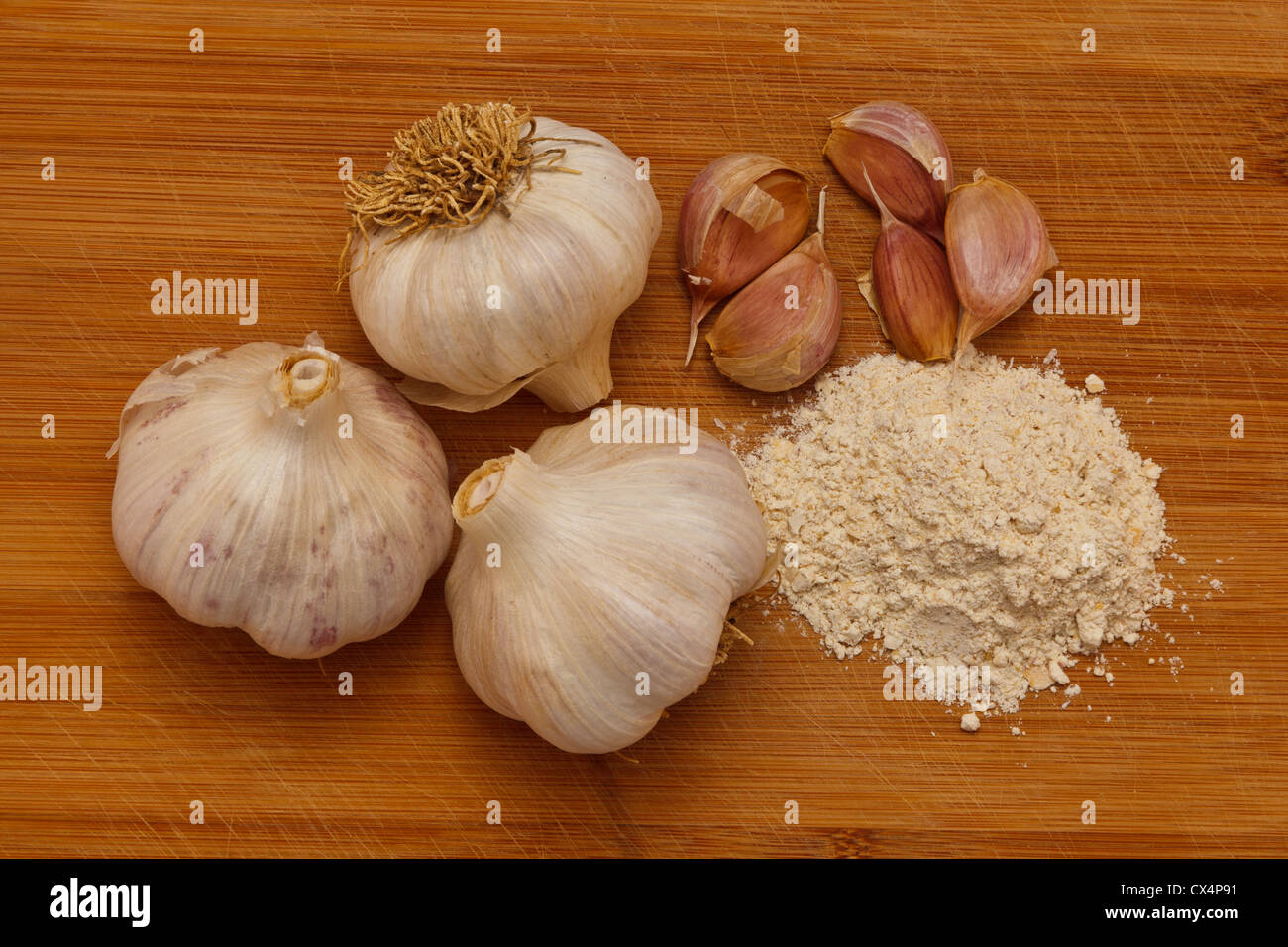
Clove Powder High Resolution Stock Photography And Images Alamy from c8.alamy.com Garlic flakes (dehydrated minced garlic): Place the garlic on a cookie sheet and heat at 150 f. Steps for making homemade garlic powder. The amount of garlic powder you wish to make will depend on how many garlic cloves you use. Use a mortar and pestle, high quality blender, spice grinder, or coffee. Sometimes a little more, sometimes a little less. It is smooth, light yellow, has the characteristic aroma of garlic, and does not contain preservatives or additives. Peel off the papery skins, and slice the cloves thin.
Fresh cloves, the loss of both calories and nutrients is significant.
Garlic powder has a more concentrated, slightly different flavor. 1 garlic clove = 1 teaspoon chopped garlic 1 garlic clove = 1/2 teaspoon minced garlic single garlic clove = 1/2 teaspoon garlic flakes 4 cloves of garlic are equivalent to ½ a teaspoon of garlic powder. Sure, you can use garlic powder in all of these situations, but the flavor won't be as vibrant, and the overall taste of your food will suffer slightly. One may also ask, is garlic powder and garlic cloves the same? Substitute 1/4 teaspoon of garlic powder. Then grind the garlic into a fine powder. Use 1/2 teaspoon of garlic flakes in place of each clove. Garlic powder is not a true substitute for real garlic, but if you're truly in a pinch, here's a quick conversion. Fresh garlic goes well in making pizza, eggs, sauces, and pasta. A large clove of garlic is equal to 1 ½ teaspoon of dried garlic, or ½ teaspoon of garlic powder. Garlic powder is essential in my cooking. Hence you would have to reduce the quantity of the salt in your recipe accordingly.